




Understanding and managing Dry AMD: A new era in treatment
Keeler
Dry Age-Related Macular Degeneration (Dry AMD) is one of the leading causes of vision loss, affecting millions globally, especially adults over 50. While historically there have been limited treatment options, a new partnership between Keeler and MacuMira is set to change that, bringing a new breakthrough therapy to Australia and New Zealand this November.
What is Dry AMD?
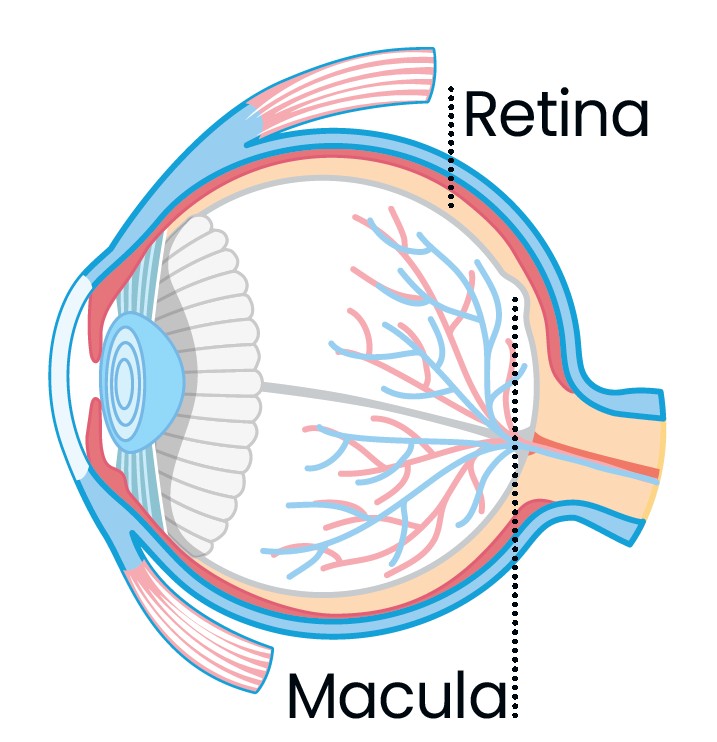
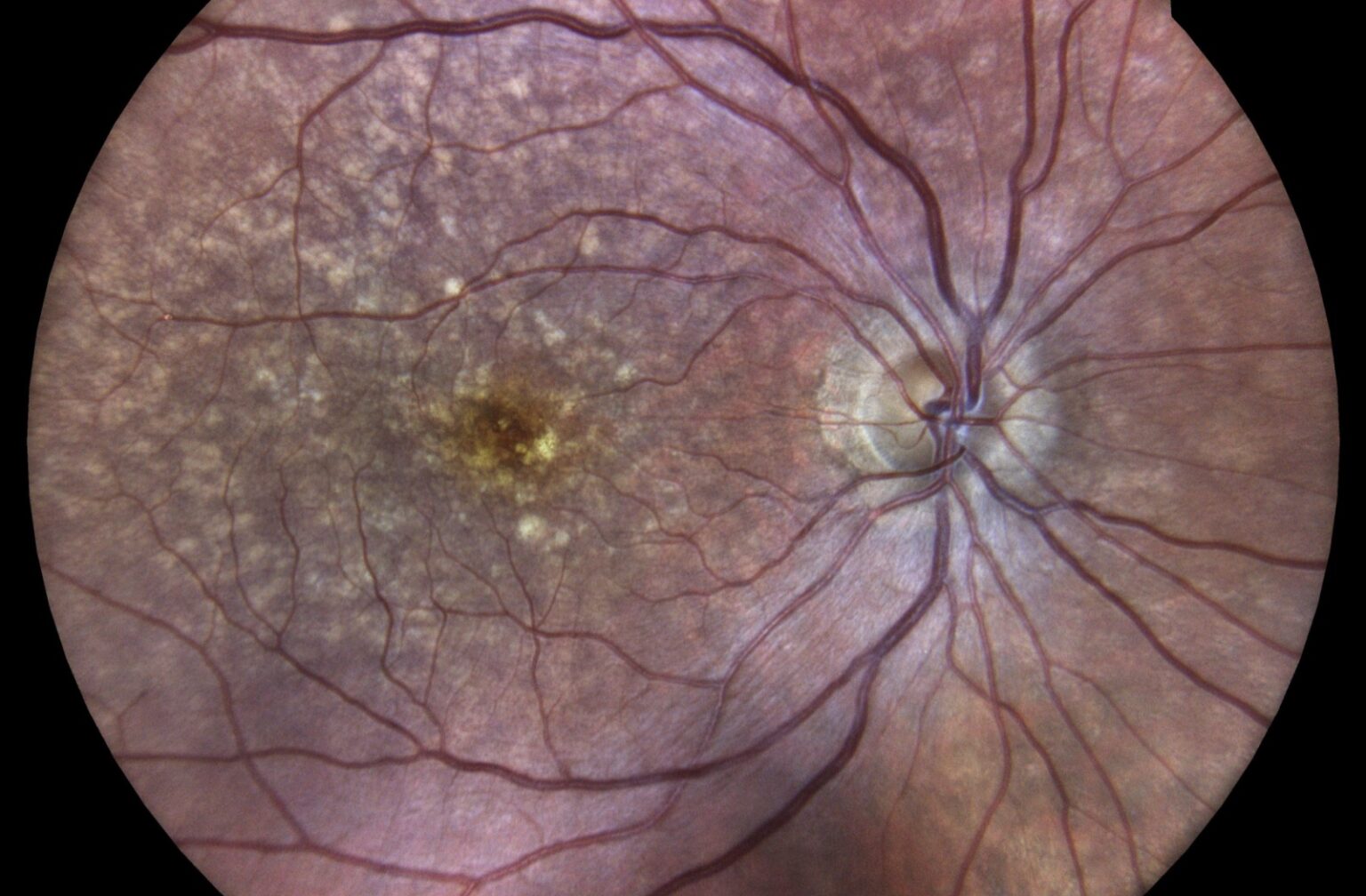
Dry AMD is a progressive condition that affects the macula, the central part of the retina responsible for sharp, detailed vision. It develops gradually due to aging and the accumulation of drusen, tiny yellow deposits beneath the retina.
Dry AMD is responsible for approximately 85–90% of all AMD cases. Though slower in its progression than Wet AMD, it can still lead to significant central vision loss.
In some cases, Dry AMD can progress to Wet AMD, which involves abnormal blood vessel growth and leakage under the retina. Wet AMD is typically treated with anti-VEGF injections, which can help reduce and stabilise vision loss when administered early and regularly
The image below shows the impact AMD can have on vision:

Why Early Detection Matters
Unfortunately, Dry AMD often begins without noticeable symptoms, making regular eye exams essential. Early signs such as drusen or pigment changes can be detected using advanced diagnostic tools like fundus photography and OCT.
Keeler supports clinicians with a wide range of diagnostic instruments, including:
- Slit lamps
- Direct and indirect ophthalmoscopes
- Injectable fluorescein for angiography (US only)
- Our improved Digital Vantage Binocular Indirect Ophthalmoscope with medical grade software offers enhanced imaging and digital integration to support AMD detection and monitoring in clinics or on the go.
Modifiable Risk Factors
While age and genetics are non-modifiable, lifestyle factors can influence AMD progression:
- Smoking – the most significant modifiable risk factor
- Poor diet – low in antioxidants, omega-3s, and zinc
- High blood pressure and cardiovascular disease
- Obesity and inactivity
- Prolonged UV exposure
Encouraging a healthy diet, regular exercise, and UV protection can help reduce risk and slow progression.
Managing AMD: Monitoring & management
Dry AMD has historically lacked effective treatments, which has made early detection and slowing progression paramount.
Historically, potential managements have included:
- AREDS2 supplements: Vitamins C, E, zinc, copper, lutein, and zeaxanthin
- Lifestyle changes: Healthy diet and exercise
- Monitoring tools: Amsler grid, routine imaging
- Emerging therapies: Low-Level Light Therapy (LLLT)
Now, a new treatment is changing the landscape
Introducing MacuMira: A breakthrough in Dry AMD therapy
MacuMira, developed in Canada and is now launching in Australia and New Zealand through Paragon our Keeler/MacuMira distributor. It’s a non-invasive, TGA and MedSafe approved therapy designed to help preserve vision in Dry AMD patients.
How it works
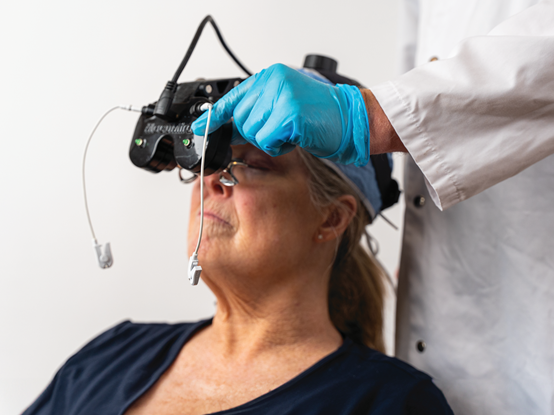
Microcurrent Stimulation: Delivers low-level electrical currents through closed eyelids to stimulate the retinal pigment epithelium (RPE), improving blood flow, cell metabolism, and reducing inflammation.
Neurostimulation: Enhances communication between the retina and brain, promoting visual processing and retinal cell activity.
Clinical study results from Canada
Clinical studies such as Parkinson et al* have reported meaningful improvements in visual acuity and contrast sensitivity:
- 100% of patients in trials showed improved visual function after six treatments over 30 weeks
- Average improvement of 8.2 letters on the ETDRS visual acuity chart
- Contrast sensitivity also improved significantly
- Backed by more than 15,000 treatments worldwide, MacuMira has demonstrated an exceptional safety record in clinical and real-world use.
Keeler and MacuMira: A Sight loss preventing partnership
As a global leader in ophthalmic innovation, Keeler have partnered with MacuMira to manufacture and distribute the device in Australia and New Zealand, following its debut at the RANZCO event in November.
This partnership brings together our century-long heritage in eye care with MacuMira’s groundbreaking science, offering new hope to patients and clinicians worldwide.
Did you know?
- The global disease burden of AMD is approximately 196m, according to Wong et. Al in 2020**. It is expected to rise to 288m in 2040.
- By 2040, this number is projected to reach 288 million.
- AMD accounts for 8.7% of global blindness, making it the third leading cause after cataracts and uncorrected refractive errors.
- Women tend to have a slightly higher burden of AMD than men.
- Smoking, poor diet, and high blood pressure are major modifiable risk factors.
Together, we can prevent vision loss
At Keeler, we’re committed to supporting eye care professionals in their mission to end preventable vision loss and with the launch of MacuMira in Australia and New Zealand, we’re entering a new chapter in AMD management and care.
For more information about the MacuMira device, click here
To visit our exclusive Australian/New Zealand distributor, ParagonCare for demos, please click here
* *Parkinson, K. M., Sayre, E. C., & Tobe, S. W. (2023). Evaluation of visual acuity in dry AMD patients after microcurrent electrical stimulation. International Journal of Retina and Vitreous, 9, 36.
** Global prevalence of age-related macular degeneration and disease burden projection for 2020 and 2040: a systematic review and meta-analysis. Wong, Wan Ling et al. The Lancet Global Health, Volume 2, Issue 2, e106 – e116