






Dry eye disease: Why awareness matters for eye health and vision
Keeler
Many people experience symptoms such as sore, irritated, watery, or gritty eyes and simply assume they are a normal part of everyday life. However, these can often be signs of dry eye disease, a common condition that can have a significant impact on comfort, daily activities, and even the quality of vision.
Dry eye occurs when the eyes do not produce enough tears or when tears evaporate too quickly, resulting in an unstable tear film. While it may seem like a minor inconvenience, persistent dry eye can affect reading, driving, screen use, and overall visual performance. Left unmanaged, it can have a significant impact on quality of life and long-term eye health.
Understanding dry eye awareness
Dry Eye Awareness Month provides an important opportunity to shine a spotlight on a condition that affects millions of people worldwide. Despite being one of the most common ocular surface conditions, dry eye disease often goes undiagnosed because many people assume their symptoms are simply a consequence of ageing, screen use, or busy lifestyles.
Awareness campaigns play a vital role in helping people recognise the signs and symptoms of dry eye disease and understand that support, assessment, and treatment options are available.
By encouraging earlier recognition and intervention, Dry Eye Awareness Month helps individuals take proactive steps towards improving their comfort, eye health, and visual quality.
What causes dry eye?
There is no single cause of dry eye disease. In fact, a variety of factors can contribute to its development, including:
- Increased screen time and digital device use
- Ageing and hormonal changes
- Environmental factors such as air conditioning, heating, and pollution
- Contact lens wear
- Certain medications
- Underlying health conditions
- Eyelid and meibomian gland dysfunction
As our lifestyles become increasingly digital, awareness of dry eye symptoms has never been more important.
Looking beyond the surface
As we also recognise Sjögren’s Awareness Day, it is important to remember that dry eye can sometimes be more than a standalone condition.
Sjögren’s disease is an autoimmune condition that can affect the body’s moisture-producing glands, often leading to persistent dry eye symptoms. While many cases of dry eye are related to lifestyle, environmental, or age-related factors, ongoing symptoms should never be ignored.
Both Dry Eye Awareness Month and Sjögren’s Awareness Day serve as important reminders that persistent symptoms warrant professional attention. A comprehensive eye examination can help identify potential underlying causes and ensure that appropriate management is initiated at the earliest opportunity.
Common symptoms to look out for
Dry eye can present in different ways, but some of the most commonly reported symptoms include:
- Burning or stinging sensations
- Redness
- Grittiness or the feeling that something is in the eye
- Fluctuating or blurred vision
- Excessive watering
- Sensitivity to light
- Tired or uncomfortable eyes, particularly after prolonged screen use
Many people are surprised to learn that watery eyes can actually be a sign of dry eye disease. In response to irritation, the eye may produce an overflow of reflex tears that do not adequately lubricate the ocular surface.
Why professional assessment matters
Because dry eye can have many different causes, a professional assessment by an eye care professional is often the best place to start.
Modern dry eye assessments enable clinicians to evaluate the health of the ocular surface, analyse tear film stability, assess eyelid health, and identify contributing factors that might otherwise go unnoticed. This detailed understanding helps clinicians recommend the most appropriate treatment strategy for each individual patient.
Early diagnosis is important, as addressing symptoms sooner can improve comfort, support visual quality, and reduce the impact that dry eye may have on everyday life.
The role of the slit lamp in dry eye diagnosis
Accurate diagnosis is fundamental to understanding the cause of a patient’s symptoms and determining the most appropriate treatment pathway.
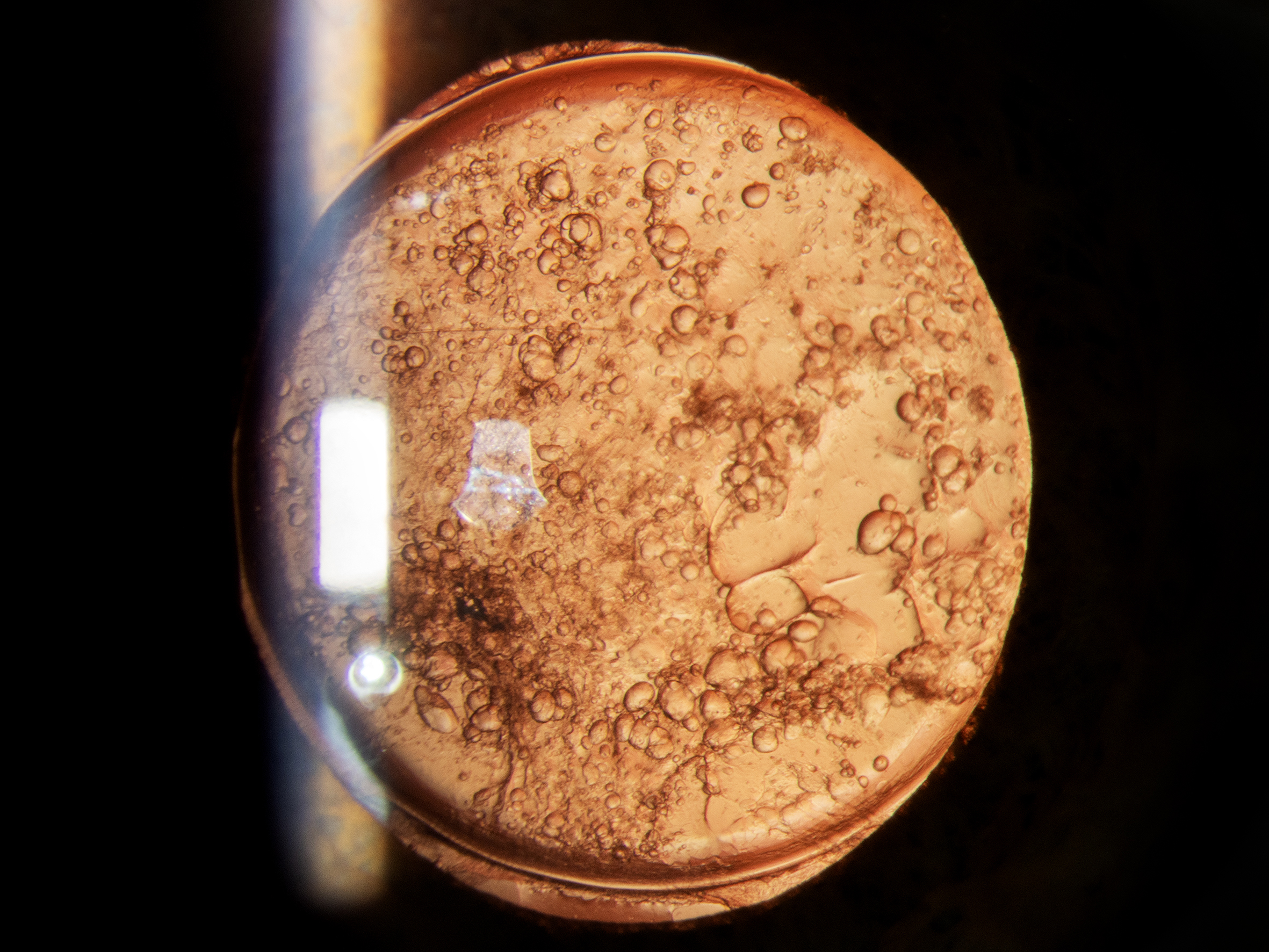
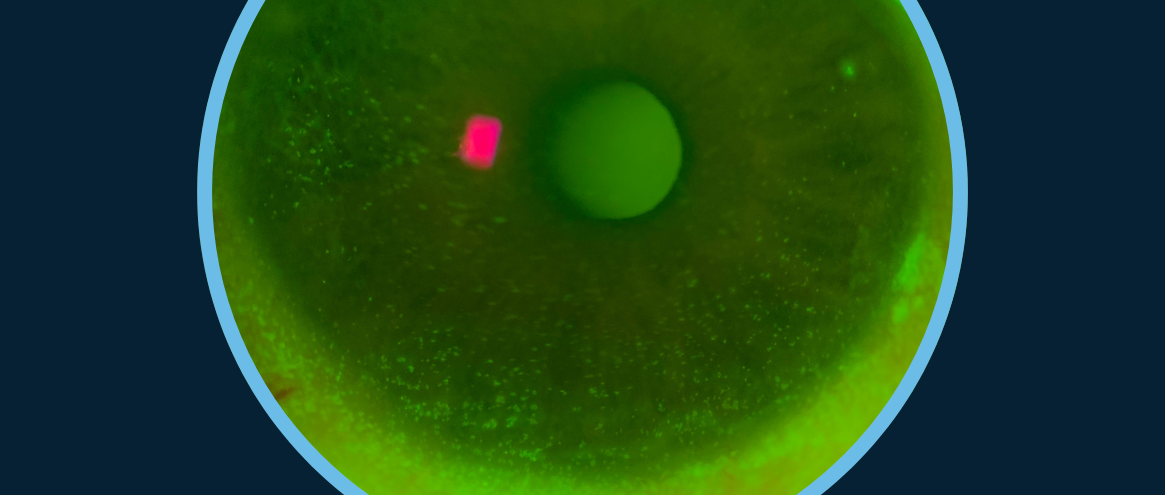
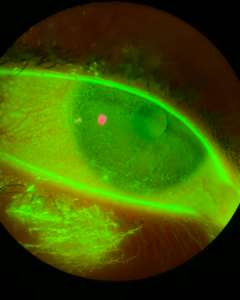
The slit lamp remains one of the most valuable instruments used during a comprehensive eye examination. By providing detailed, magnified views of the anterior eye, clinicians can carefully assess the ocular surface, tear film, eyelid margins, and overall eye health.
Instruments such as the Keeler slit lamp support clinicians by delivering clear visualisation of key ocular structures, helping to identify many of the clinical signs associated with dry eye disease. This detailed examination can assist practitioners in evaluating tear film quality, detecting ocular surface changes, and assessing conditions that may contribute to dry eye symptoms.
While treatment options continue to evolve, careful examination of the eye remains fundamental to understanding the underlying causes of dry eye and guiding patients towards the most appropriate management plan.
A range of treatment options available
The good news is that there are now many options available to help manage dry eye disease, including:
- Lubricating eye drops and gels
- Eyelid hygiene routines
- Warm compress therapies
- Nutritional and lifestyle advice
- In-practice treatments recommended by eye care professionals
- Management of underlying contributing conditions
The most effective approach is often tailored to the individual’s specific type of dry eye and the severity of their symptoms.
Raising awareness for better eye health
During Dry Eye Awareness Month, we are reminded that dry eyes should never be dismissed. Whether symptoms are caused by environmental factors, lifestyle habits, meibomian gland dysfunction, or an underlying condition such as Sjögren’s disease, early recognition and professional assessment can make a meaningful difference.