





Shining a light on Glaucoma: Raising awareness to help save sight
Shining a light on Glaucoma: Raising awareness to help save sight
As we near the end of Glaucoma awareness month, it’s time to shine a light on this ‘vision thief’ that affects millions around the globe.
Understanding Glaucoma
Glaucoma is a group of eye conditions that cause damage to the optic nerve, leading to vision loss. Often symptomless in its early stages, it has been referred to as the ‘silent thief of sight’ and can affect anyone, making awareness and early detection crucial.
We invite you to join us as we delve into the world of glaucoma; identifying the different types, and learning how simple awareness can be a powerful tool for early diagnosis in order to preserve sight.
Types of Glaucoma
There isn’t a one-size-fits-all when it comes to glaucoma. There are different types; from the common Primary Open-Angle Glaucoma to the more acute Angle-Closure Glaucoma. Each type of Glaucoma has its own unique characteristics and requires specific approaches to diagnosis and treatment:
- Primary Open-Angle Glaucoma (POAG), the most common type, is often asymptomatic until advanced stages
- Angle-Closure Glaucoma presents with sudden and severe symptoms, requiring prompt intervention
- With Normal-Tension Glaucoma, visual field loss is present although Intraocular pressure (IOP) remains within normal range
- Secondary Glaucoma adds complexity due to underlying conditions being the cause
The importance of regular eye examinations

Regular eye examinations are your first line of defense against glaucoma. It is there that tests for intraocular pressure (IOP), visual field, and optic nerve health will be carried out, all of which are essential for early detection and effective management.
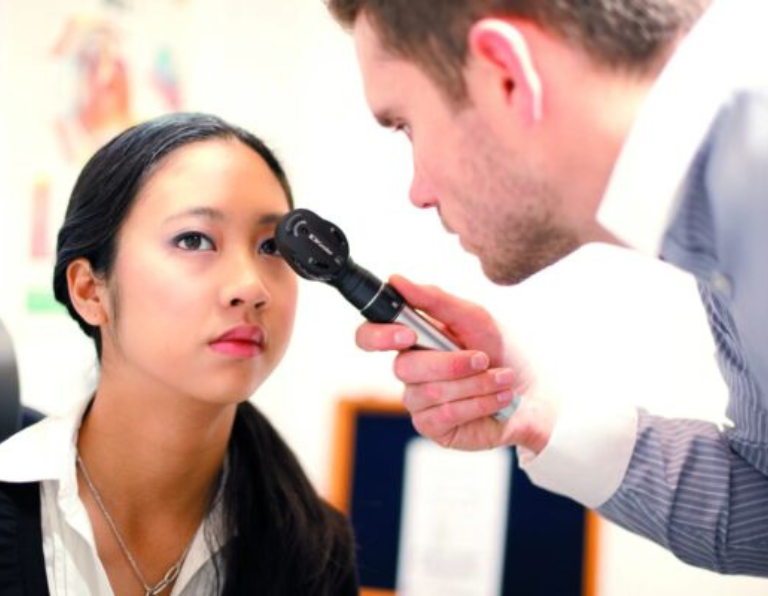
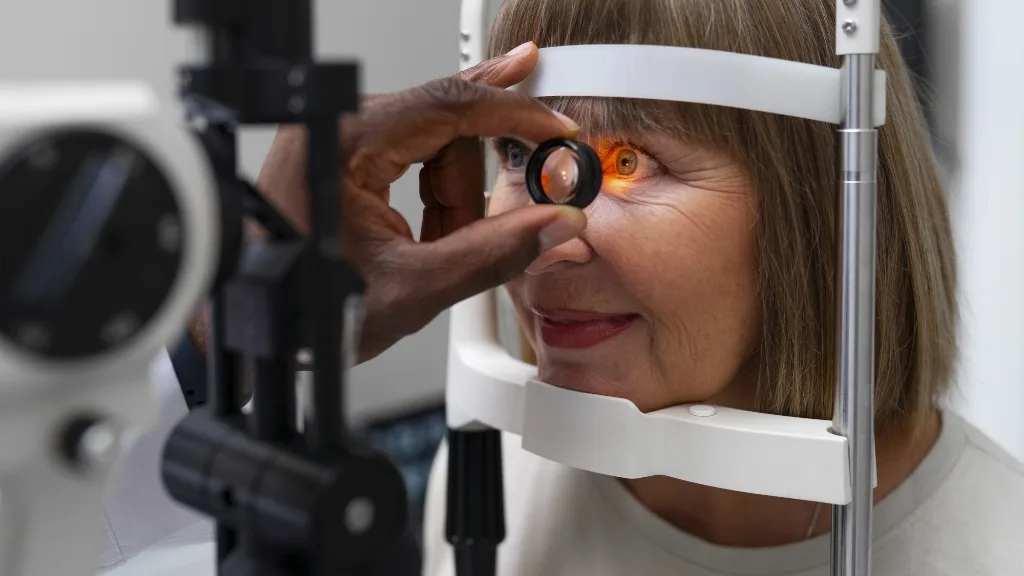
Many of the products in our wide range of specialist ophthalmological equipment are used to support you (or your eyecare professional) in the detection, diagnosis. monitoring and treatment of glaucoma. From a handheld tonometer for measuring intraocular pressure, to a slit lamp or handheld direct ophthalmoscope for visualising the optic nerve.
Risk factors
Age, family history, ethnicity, and other health conditions may all contribute to the development of glaucoma. Awareness of these risk factors empowers individuals and healthcare professionals to take control of Glaucoma with early recognition and monitoring.
Symptoms and signs
While glaucoma can be asymptomatic in its early stages, there are ways to be vigilant. Be aware of signs, such as changes in peripheral vision, halos around lights, and eye pain, that might indicate the presence of glaucoma.
Awareness is the first step towards prevention
By raising awareness, encouraging regular eye examinations for early detection, and supporting those affected, we can collectively make strides in preserving vision and enhancing the quality of life for individuals living with glaucoma.
Please share what you’ve learnt, with family, friends, and colleagues. And encourage them to spread the word. Together, let’s shine a bright light on glaucoma and focus on preventable vision loss for all.