
Keeler Blogs

Keeler Blogs

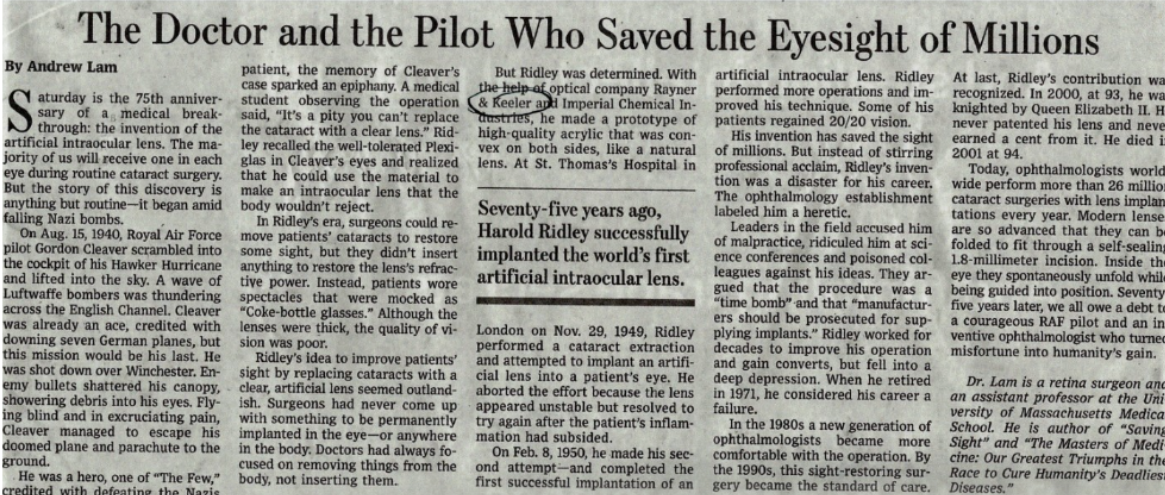
75 years ago, Harold Ridley successfully implanted the world’s first artificial intraocular lens. This Cataracts Awareness Month we’re inspired by an article published in the Wall Street Journal in February 2025, which mentions Keeler’s role in the extraordinary tale that connects wartime heroism to medical breakthrough, and shows how our innovation continues to transform lives today.

When disaster sparked discovery

Picture this: August 15, 1940. RAF pilot Gordon Cleaver is thundering through English skies in his Hawker Hurricane, locked in aerial combat with Luftwaffe bombers over the Channel. Suddenly, his cockpit explodes in a shower of Plexiglass, causing him to crash-land, his plane destroyed, debris embedded deep in his eyes. 

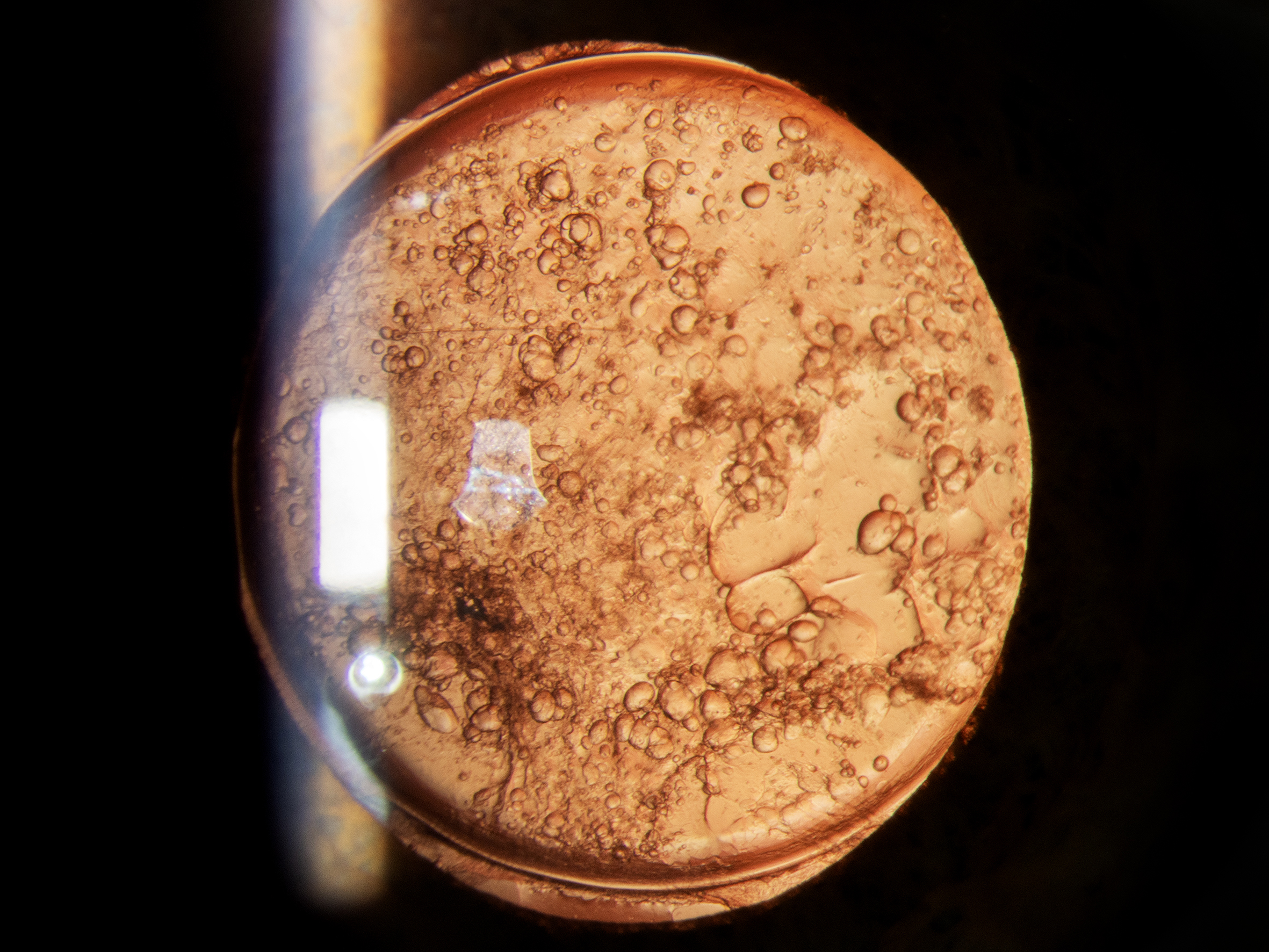
And here’s where the story takes a remarkable turn. Unlike other foreign bodies in the eye, that would typically cause severe rejection and infection, the Plexiglass fragments seemed to coexist peacefully with Cleaver’s eye tissue. His body wasn’t trying to reject them. 

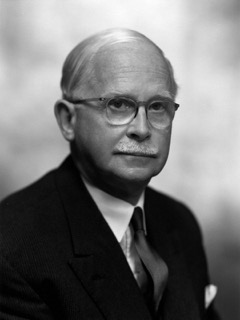
Credit: Ridley Eye Foundation

Enter Dr. Harold Ridley, a brilliant ophthalmologist whose keen observation would change everything. Examining Cleaver’s case, Ridley had what can only be described as a lightbulb moment: if the eye could tolerate Plexiglass fragments from a fighter plane’s cockpit, why couldn’t surgeons use similar material to replace clouded natural lenses? “In Ridley’s era, surgeons could remove patients’ cataracts to restore some sight, but they didn’t insert anything to restore the lens’s refractive power”, says Andrew Lam in the newspaper article. 

Working alongside Keeler and Imperial Chemical Industries, Ridley developed something revolutionary: a prototype of high-quality acrylic that was “convex on both sides, like a natural lens.” It was a leap of imagination that would take nearly a decade to realise.  

On November 29, 1949, he performed the world’s first artificial intraocular lens implantation. The patient’s vision was transformed. The age of modern cataract surgery had begun.

Credit: Ridley Eye Foundation

The revolutionary aftermath

Ridley’s breakthrough was met with both acclaim and fierce resistance. The medical establishment initially dismissed his innovation as “a disaster for his career,” accusing him of malpractice and ridiculed him. Yet Ridley persisted, driven by the sight of patients whose lives had been transformed.  

By the 1980s, “a new generation of ophthalmologists became more comfortable with the operation”, and what was once considered radical had become standard care. In 2000, at aged 93, Ridley was finally recognised for his discovery and was knighted by Queen Elizabeth II. “He never patented his lens and never earned a cent from it”. Today, cataract surgery is one of the most common and successful medical procedures ever developed, restoring sight to millions every year. 

But Ridley’s revolution also revealed a persistent challenge that drives innovation to this day: how do we properly assess the eye’s structures when cataracts cloud our view? 

When cataracts develop, they don’t just affect a patient’s vision, they also obstruct the surgeon’s ability to examine crucial structures like the retina, measure precise eye dimensions, and assess overall ocular health. These evaluations are essential for successful surgery, but traditional examination methods struggle when looking through an opaque lens. 

This is precisely where ophthalmic ultrasound steps in. For eye care professionals, this non-invasive tool is invaluable in preoperative assessment helping detect hidden pathologies like retinal detachment, vitreous hemorrhage, or tumors that could affect surgical outcomes. 

Keeler's role in the continuing story

The very newspaper article that celebrated Dr. Ridley’s pioneering work also recognised our company’s contributions to advancing eye care. Known back then as Rayner and Keeler, we’ve been part of this remarkable journey of ophthalmic innovation for over 100 years. 

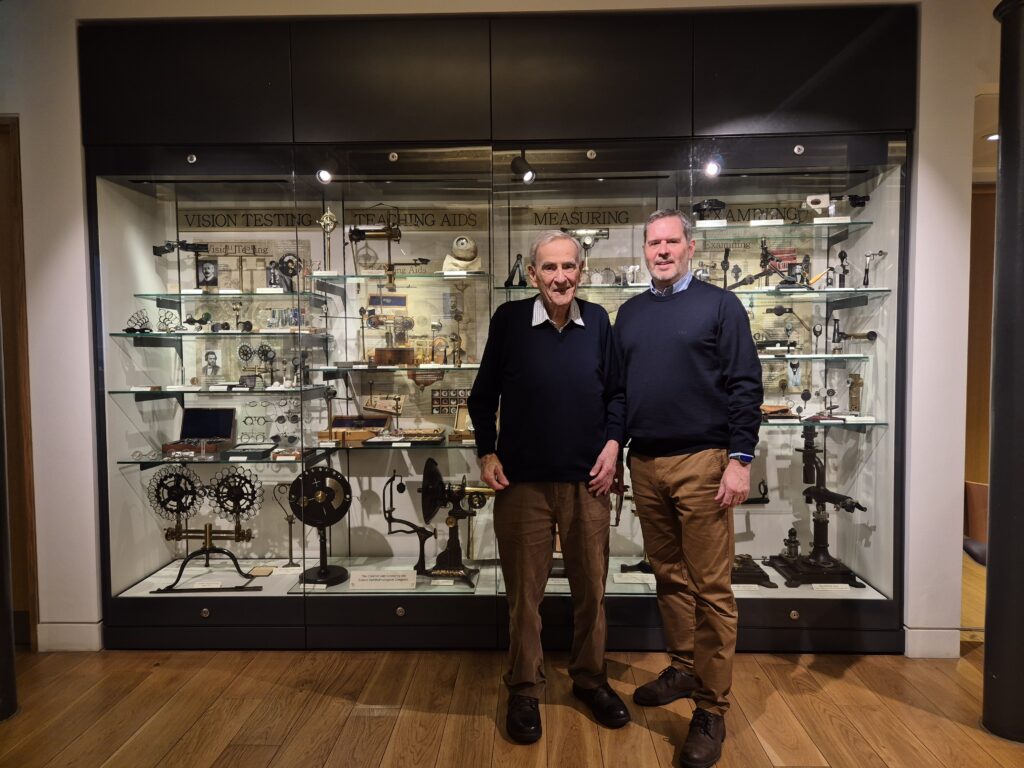
Pictured: Richard Keeler and Carys Dawes of Rayner and Keeler meeting on 24th February, 2025 at the Royal College of Ophthalmology, UK.

Today, Keeler is a global business with a wide range of both diagnostic and surgical ophthalmic equipment. Our comprehensive ophthalmic ultrasound range continues to help eye care professionals see clearly through the fog of cataracts, all around the world: 

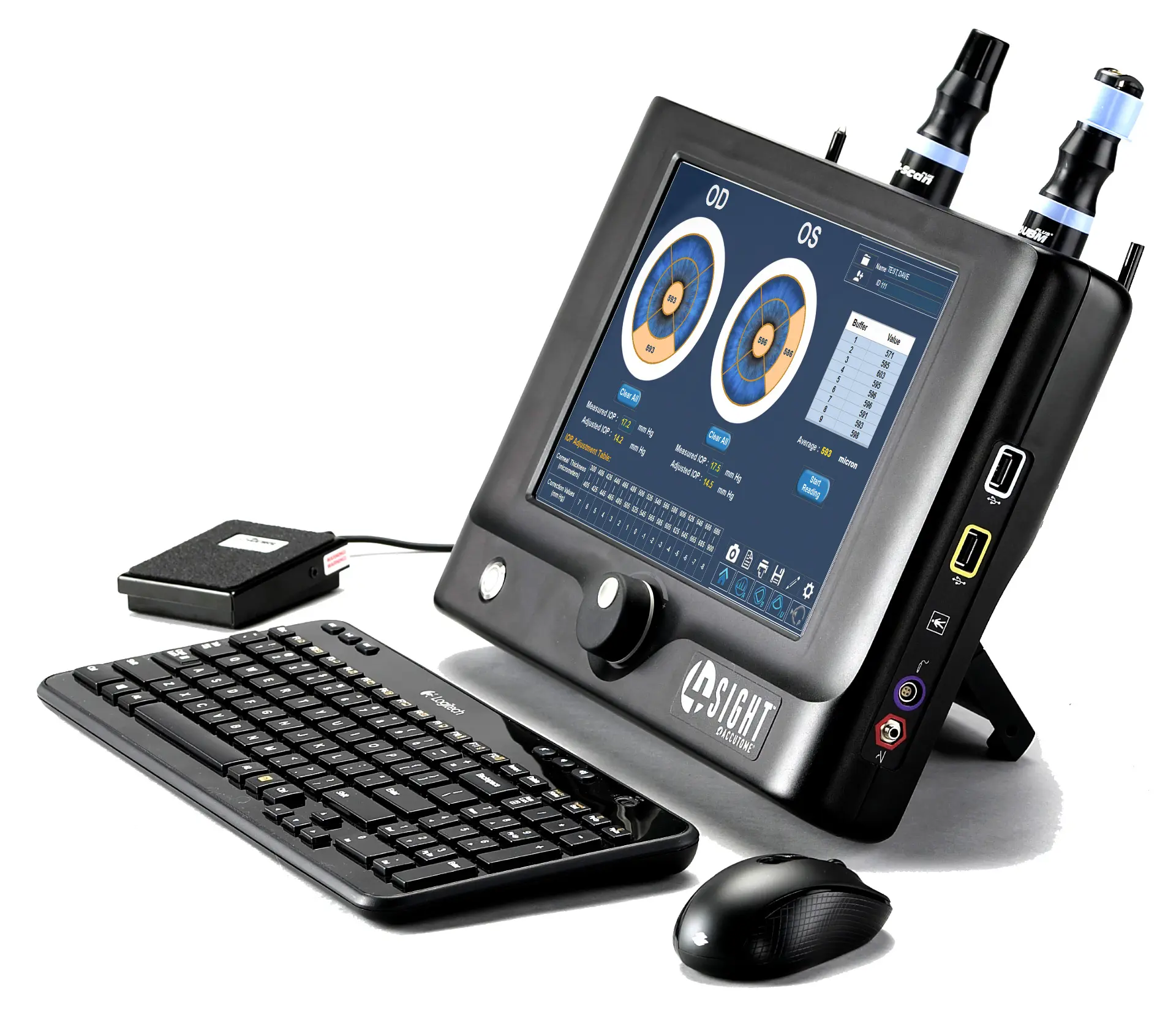
Keeler 4Sight

Our 4Sight platform offers time-saving diagnostic capability: an all-in-one ultrasound system that brings together multiple imaging technologies in a single, intuitive interface. Just as Ridley revolutionised treatment, 4Sight can transform your work-flow, making comprehensive eye examinations more efficient and precise than ever before.
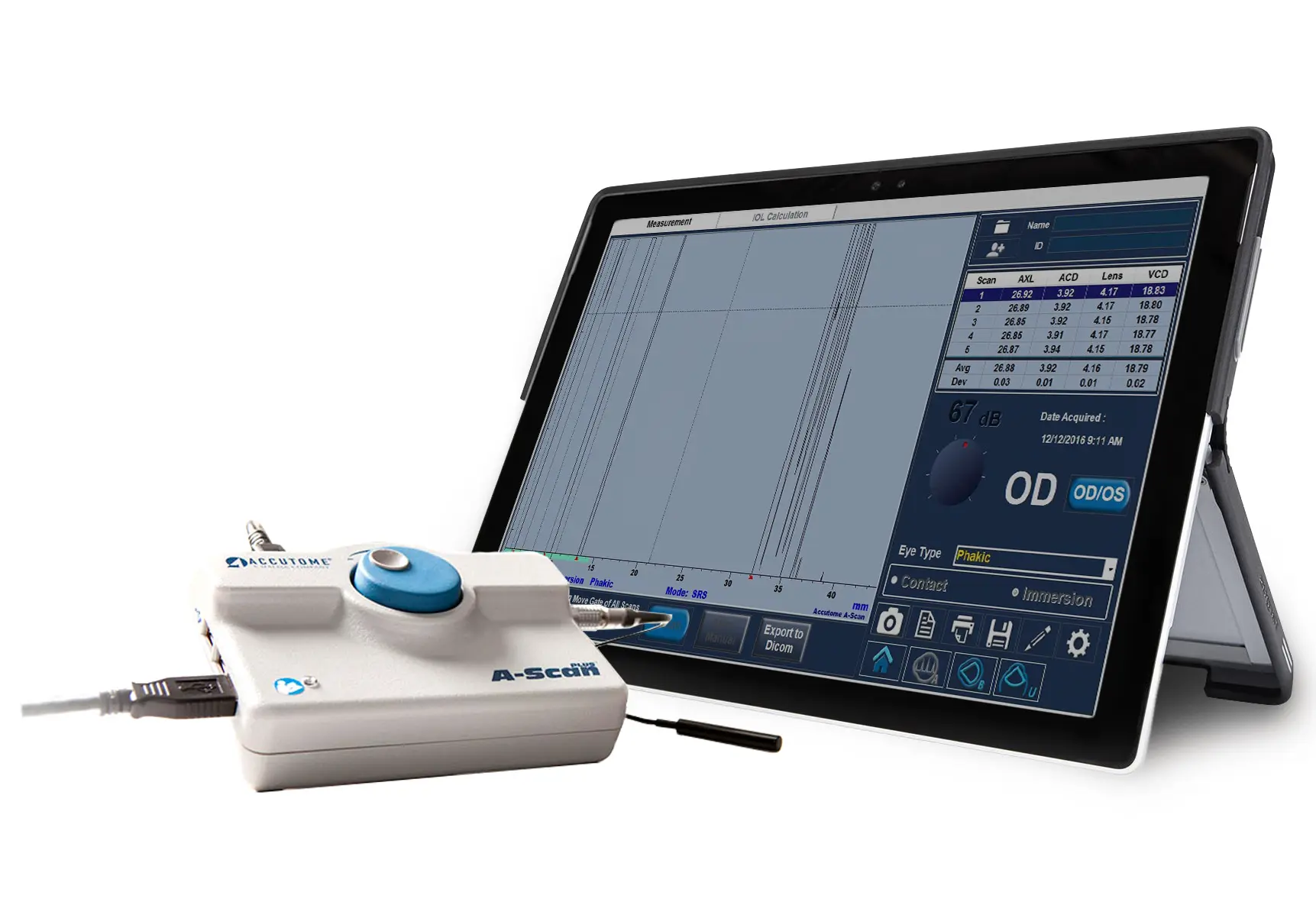
Keeler A-Scan Plus Connect

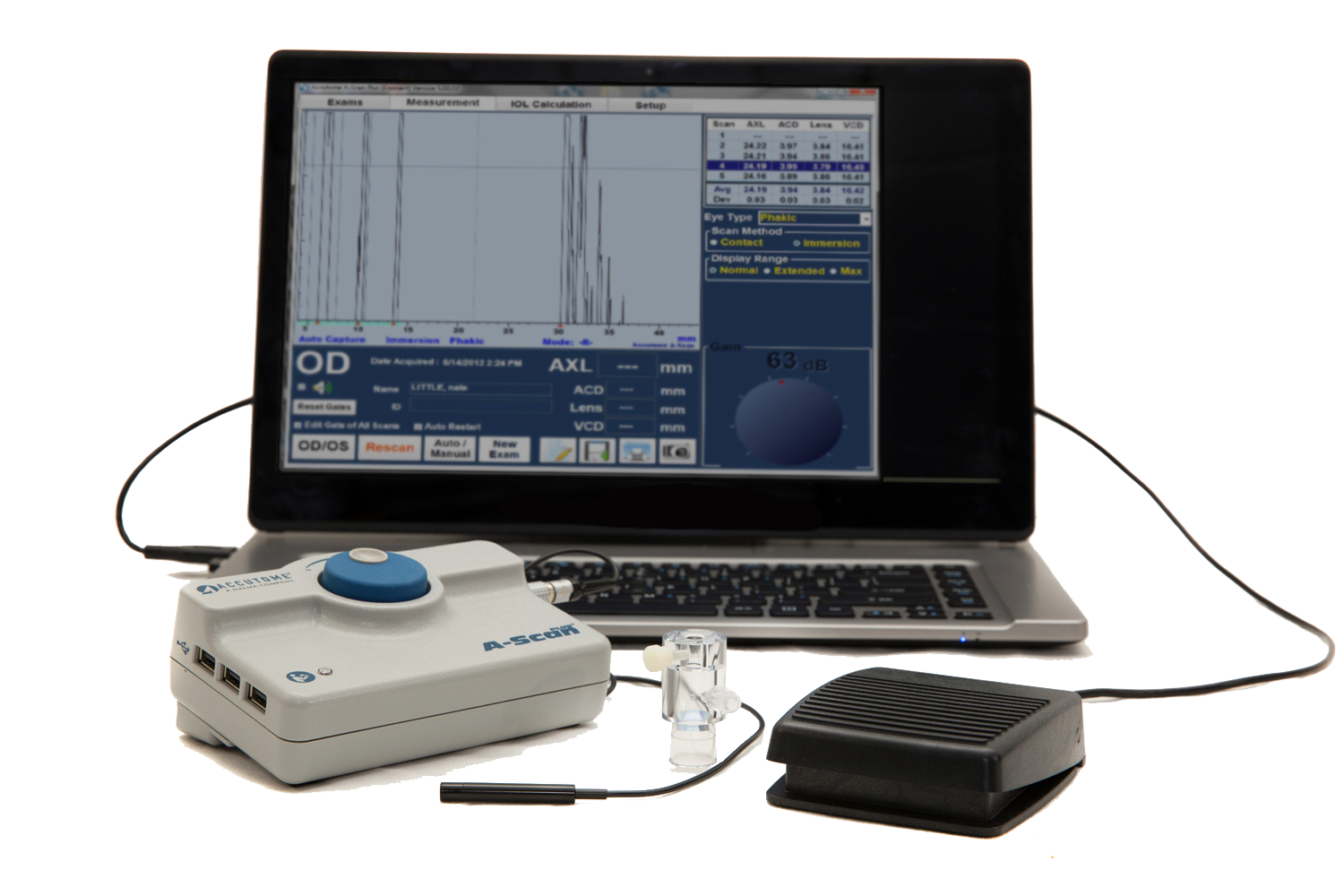
A-Scan Plus Connect delivers accurate axial length measurement for intraocular lens (IOL) calculations when optical methods are not feasible this aids thprecision biometry that modern cataract surgery demands. When Ridley performed his first lens implantation, calculating the correct lens power was largely guesswork. Today, our advanced A-Scan technology helps enhance diagnostic confidence and supports safer, informed surgical planning.
Keeler B-Scan Plus Connect

B-Scan Plus Connect tackles the very challenge that makes cataracts so diagnostically challenging. It reveals detailed images of the retina and posterior structures even through dense cataracts. This capability gives surgeons crucial information about the eye's health before they begin surgery.
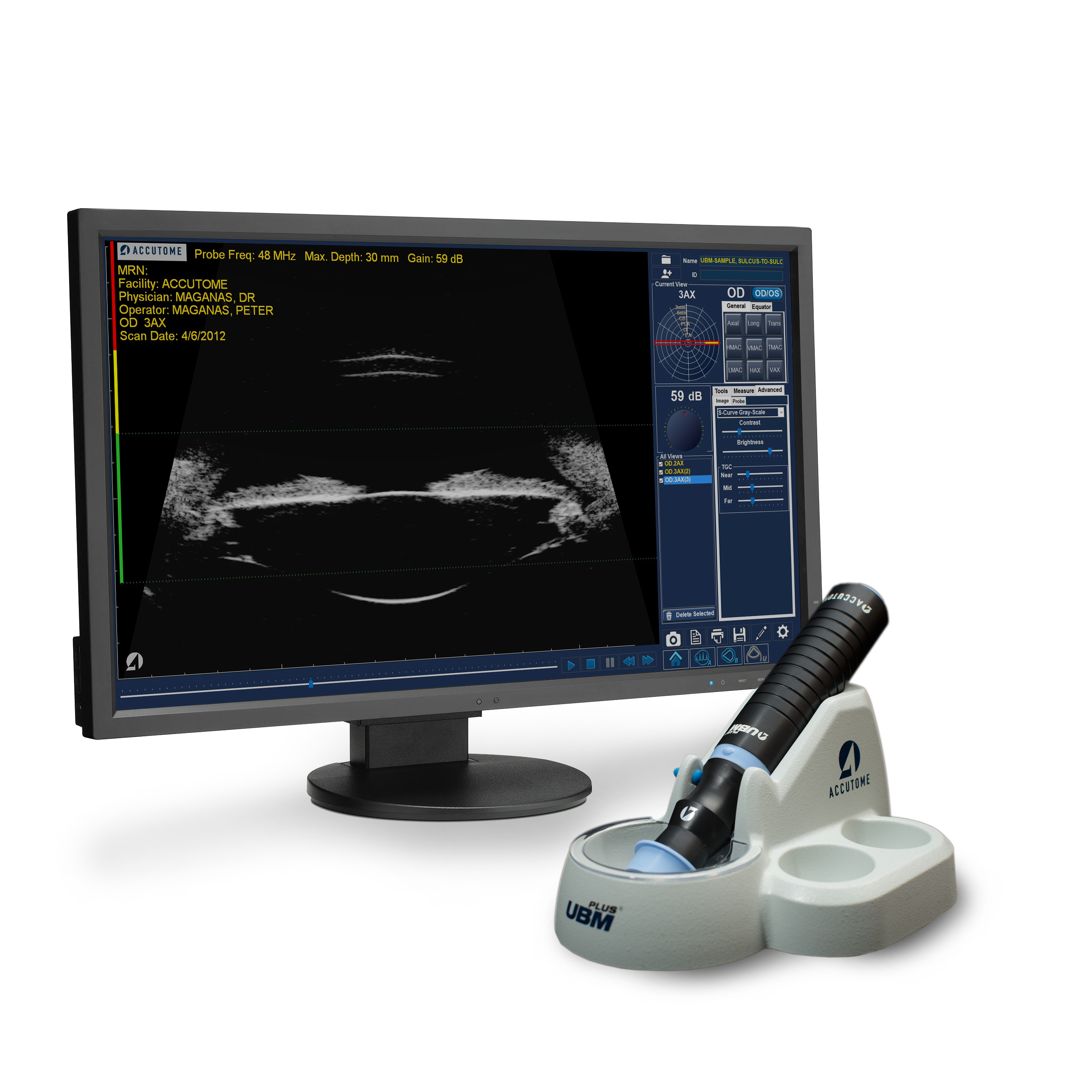
Keeler UBM Plus Connect

UBM Plus Connect provides high-frequency anterior segment imaging that's essential for complex cases, offering detailed views of structures that conventional examinations simply cannot reach.
If you’d like to find out more about our ultrasound products, then please visit our ultrasound range or get in touch with our team.

From wartime accident to global impact

The thread connecting Gordon Cleaver’s wartime ordeal to today’s sophisticated ophthalmic ultrasound systems is remarkable. What began as a pilot’s misfortune became the foundation for treatments that have restored sight to hundreds of millions of people worldwide. 

Today’s cataract surgery has evolved far beyond Ridley’s pioneering procedure. Modern techniques are minimally invasive, highly precise, and supported by advanced diagnostic tools that would have seemed like science fiction in 1949. Yet the fundamental principle remains the same: replacing a clouded natural lens with a clear artificial one. 

Ophthalmic ultrasound plays a crucial role in this modern miracle. When cataracts obscure traditional examination methods, ultrasound becomes the eye care professional’s window into the eye’s hidden structures. These tools don’t just support successful surgery; they help ensure that every patient receives personalised care tailored to their unique ocular anatomy and health status.

Join our education hub

We believe that clinical education is the cornerstone of eye health, leading us towards a world without vision loss. Whether you’re a distributor, partner, ophthalmology student or clinician, our education hub is your one-stop-shop for comprehensive information about the fundamentals of eye care and the equipment available to you.

The innovation continues

At Keeler, we’re honoured to be part of this continuing story of discovery and healing, innovating with our products to offer eye care professionals the best and trusted ophthalmic equipment on the market globally. Our ophthalmic ultrasound technology represents more than just diagnostic equipment; it’s the latest chapter in a remarkable tale that began with one doctor’s keen observation and a pilot’s extraordinary resilience. 

Want to learn more about the advantages of ocular ultrasound and how it helps ophthalmologists identify cataracts and prevent blindness? Read our article from last year’s cataract awareness month. 

Cataract Awareness Month reminds us of the importance of regular eye examinations and the incredible treatments available today. If you’re concerned about cataracts, speak with your eye care professional about your options.