







Actionable tips to improve your practice with ophthalmology telemedicine
By now, you’ve undoubtedly heard the buzz surrounding ophthalmology telemedicine. In short, ophthalmology telemedicine is the remote management and diagnosis of your patients via the Internet, smartphone, or computer.
In fact, the American Telemedicine Association (ATA) has formally defined telemedicine as the use of medical information exchanged from one site to another through electronic communications to bolster the patient’s health. Telemedicine in ophthalmology (teleophthalmology) often involves the remote collection of images and subsequent analysis to effectively identify patients who suffer from ocular disease.
These types of teleophthalmology services can be extremely invaluable for patients who live in areas with shortages of ophthalmologists. In addition, it can help you grow your practice, acquire new clients, and achieve your organisational goals. Let’s take a closer look at a case of how teleophthalmology is improving lives and a few simple steps you can take to improve your ophthalmology telemedicine experience.
How does ophthalmology telemedicine work?
The UMPC Department of Ophthalmology utilises real-time image transmission and video to bring world-class ophthalmologists to local emergency departments. They utilise ophthalmology telemedicine to provide remote:
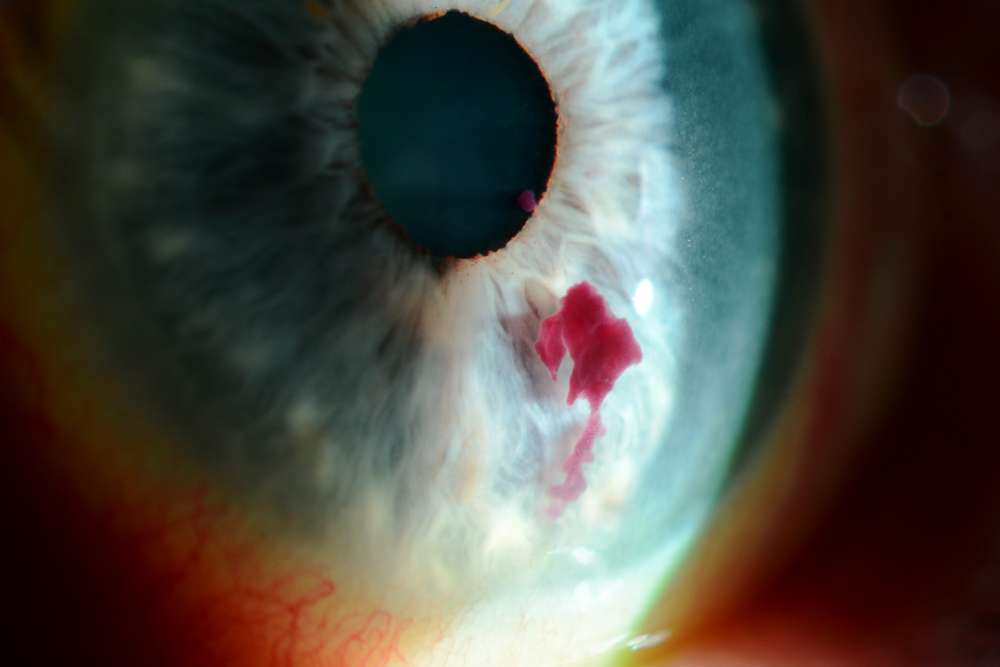
For example, the provider at the emergency room in the patient’s location captures a digital image of the eye. By utilising real-time image transmission, an ophthalmologist who could be hundreds of miles away will be able to instantly:
- View the images
- Deliver a timely diagnosis and suggest a treatment plan for the patient
- Ensure continuity of care in the event the patient needs to be transferred for treatment
- Make sure to include the originating doctor in all treatment plans to provide a higher level of care and keep the patient’s care managed locally.
In short, ophthalmology telemedicine can be invaluable for those patients who live in remote areas and can mean a new type of growth for your practice.
Simple tips to improve your practice’s teleophthalmology
Use a wired connection
While Wi-Fi and wireless connections are very convenient, they can be unreliable. Nothing is worse than being disconnected from your patient mid consultation or exam. Instead, it’s best to use a wired connection as often as you can to limit connection interruptions At the same time, it’s best if you plug your computer or mobile device into its power source to prevent a power failure mid visit.
Choose a webcam of high quality
The goal of telemedicine in ophthalmology is to replicate the in-person feeling, so the quality of your web cam plays a critical role. When your patients are better able to see your face, they’re more likely to be comfortable and respond positively to the visit. Ensure your webcam is a quality tool that adds value and not a technological hindrance.
Set up your camera at eye-level
Whether you’re using an external camera or an integrated camera, make sure it’s set up at eye level. This simple step will help you maintain better eye contact with your patient throughout the visit, which can help everyone remain engaged.
Close out other programs on your computer
When you’re meeting with your patient to discuss their analysis, such as fundus images, it’s vital you are not distracted. As a result, it’s a good practice to close out other programs. In addition, the streaming of video between you and your patient can absorb a lot of bandwidth. It’s best to keep it simple and reserve all of your computer’s and internet connection power’s focus to the patient.
Keep the support team’s number easily accessible
While you may not need to contact the support team about problems, it’s of the highest importance to have this information handy in the event you do need them. Besides, technological problems do arise. Make sure you jot down the support team’s number and have it somewhere easily accessible in your workspace. It’s also a good idea to add this number into your phone contacts and share it with your staff, so they can help you if and when problems arise.
Contact Keeler
The ophthalmology industry is plagued by spiking client populations and a decreasing base of physicians. In fact, it’s estimated there will be a shortage of more than 6,000 ophthalmologist by 2025 according to the National and Regional Projections of Supply and Demand for Surgical Specialty Practitioners: 2013-2025. However, telemedicine in ophthalmology shows promise!
Due to its core objective of evaluating, diagnosing, and effectively managing a remote patient, telemedicine seems to be a viable solution to the problem. Current teleophthalmology programs include:
- Retinopathy of prematurity
- Diabetic retinopathy screening
- Glaucoma screening and disease management
- Age –related macular degeneration screening and management
- Remote emergency department evaluations
- Anterior segment and ocular adnexal disease
Keeler is a leader within the ophthalmology field offering more than 100 years of experience testing and manufacturing cutting-edge equipment. Contact us today to learn more about how we’re equipping practitioners with the right equipment to embrace the benefits offered by telemedicine in ophthalmology.