






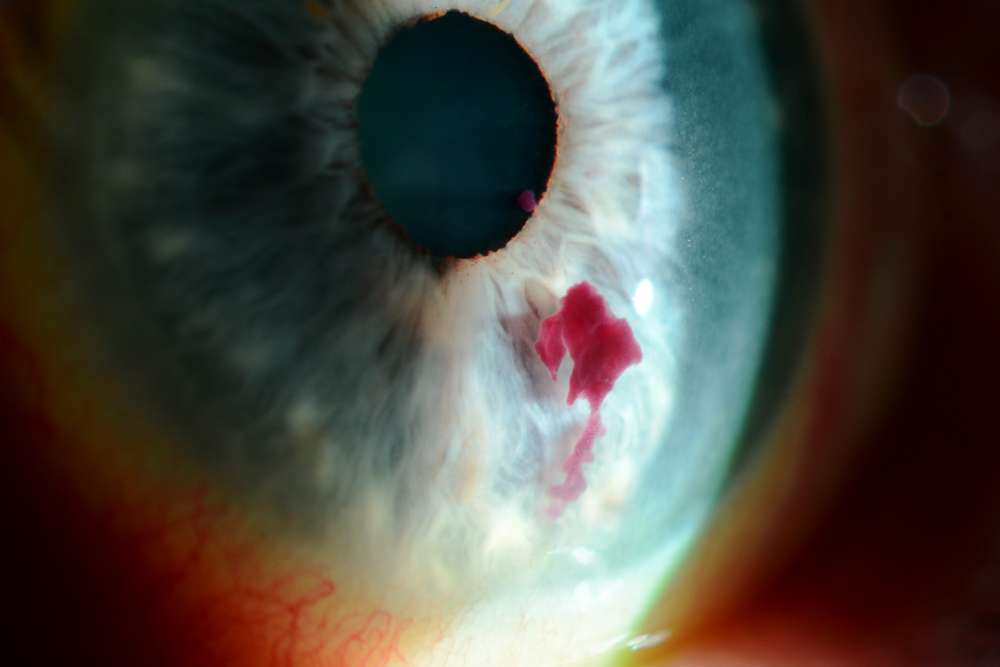

Clearly seeing the anatomy of the eye
Out of the five senses — touch, smell, taste, hearing, and sight — the majority of people consistently report their eyesight is the most important mode of perception. Even so, most have very little understanding of the anatomy of the eye and how vision actually works.
Fortunately, the experts at Keeler Ophthalmic Instruments break down the eye anatomy and provide a simple, easy-to-understand description of the anatomy of the eye. Continue reading to clearly see into the anatomy of the eye.
Overview of the anatomy of the eye
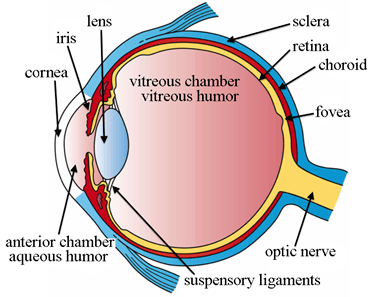
Before we get into a deep dive of the eye, let’s do a quick overview of a few components:
- The cornea is the transparent front window of the eye that focuses and transmits light into the eye.
- The iris is tasked with determining the amount of light entering the eye. It’s the colored part of the eye.
- The pupil is the dark aperture in the iris dictating the amount of light allowed into the eye.
- The lens is the transparent structure on the interior of the eye that directs rays of light onto the retina.
- The retina is a layer of nerves that senses light, lines the rear of the eye, and creates electrical impulses that are sent through the optic nerve directly into the brain.
- The macula is a small central area located in the retina that houses light-sensitive, special cells and allows people to see fine details.
- The optic nerve connects the brain to the eye and transmits electrical impulses created by the retina into the brain’s visual cortex.
- Vitreous is a jelly-like, clear substance filling the middle of the eye.
- The fovea is a small depression located in the retina where visual acuity is the highest.
- Suspensory ligaments of the lens are a series of fibers that attach the lens with the ciliary body of the eye — holding it in place.
Taking a closer look at the cornea
The cornea is the transparent front surface of the eye. It’s tasked with allowing light to enter the eye for vision as well as providing anywhere from 65% up to 75% of the focusing power of the eye. The cornea is directly in front of the pupil and iris and is made up of five different layers — from front to back.
- Corneal epithelium is the outer layer of the cornea — and less than 10% of the cornea’s entire thickness. The epithelial cells are continually being reproduced and shed off in tears.
- Bowman’s layer is a dense and thin sheet of tissue that serves as the connector between the underlying stroma and corneal epithelium.
- Corneal stroma is the middle layer of the cornea and represents approximately 90% of the cornea thickness.
- Descemet’s membrane is the extremely thin layer separating the underlying endothelial layer and the corneal stroma. This part of the cornea gradually thickens as people age. For example, it’s only five microns thick in kids and can be fifteen microns thick in adults.
- Corneal endothelium is the innermost part of the cornea.
Examining the three parts of the uvea
The uvea of the eye is the pigmented middle layer of the eyeball. The uvea is comprised of three different parts:
- The iris is the circular, thin structure comprised of muscle and tissue that surrounds the pupil. The color of the eye is actually determined by the pigment in the iris. In addition to giving eyes their color, the iris acts similar to a diaphragm of a camera and manages the size of the pupil. One muscle dilates the pupil in dark and dim lighting; while another muscle constricts the pupil in bright light.
- The ciliary body is the second part of the uvea that surrounds the iris. The role of the ciliary body is to keep the lens of the eye in place and to secrete the clear fluid that fills the space in the anterior segment of the eye between the iris, lens, and cornea.
- The choroid is the back part of the uvea and is contained between the retina in the back of the eye and the tough outer sclera. The choroid is tasked with nourishing the retina.
Contact Keeler today
Keeler Ophthalmic Instruments has been manufacturing cutting-edge solutions since 1917. As a leader in innovative instruments, we base all of our solutions on continuous customer involvement — from start to finish.