








Unveiling the link between diabetes and eye health
1. Understanding Diabetic Retinopathy
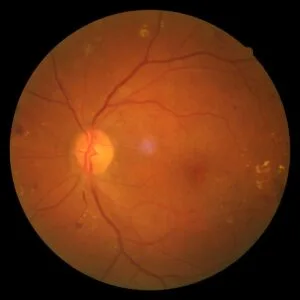
Diabetic retinopathy is a prevalent and potentially serious complication that arises as a consequence of long-term diabetes. It specifically affects the retina, the light-sensitive tissue located at the back of the eye. This condition is a leading cause of vision impairment and blindness among individuals with diabetes.
Pathophysiology of Diabetic Retinopathy
The development of diabetic retinopathy is intricately connected to the chronic elevation of blood sugar levels, which damages the small blood vessels within the retina. Over time, this damage may lead to blood and other fluids leakage into the retina, causing swelling and impairing vision.
Stages of Diabetic Retinopathy
- Non-Proliferative Diabetic Retinopathy (NPDR): In the early stages, NPDR is characterised by the weakening of blood vessels in the retina, leading to microaneurysms and the formation of tiny, balloon-like outpouchings. These changes may not result in immediate vision impairment.
- Proliferative Diabetic Retinopathy (PDR): As the condition progresses, PDR emerges. New, abnormal blood vessels begin to grow on the retina’s surface and into the vitreous gel, the transparent substance that fills the eye. These fragile vessels are prone to bleeding, causing further damage and potential vision loss.
Clinical Manifestations
- Blurred or Spotty Vision: Resulting from swelling or bleeding in the retina.
- Floaters: Caused by the presence of blood or other fluids in the vitreous.
- Impaired Colour Vision: Difficulty perceiving colours accurately.
- Complete Vision Loss: In severe cases, untreated diabetic retinopathy can lead to irreversible vision loss.
Diabetic Retinopathy Risk Factors
- Duration of Diabetes: The longer an individual has diabetes, the higher the risk.
- Poorly Controlled Blood Sugar Levels: Inconsistent glucose control contributes to vascular damage.
- Hypertension: High blood pressure can exacerbate retinal vessel damage.
- Genetic Predisposition: A family history of diabetic retinopathy may increase susceptibility.
Prevention and Management
- Strict Blood Sugar Control: Maintaining optimal blood glucose levels is paramount.
- Regular Eye Examinations: Periodic eye check-ups enable early detection and intervention.
- Blood Pressure Management: Controlling hypertension aids in minimising retinal damage.
- Lifestyle Modifications: Adopting a healthy lifestyle, including a balanced diet and regular exercise, can positively impact overall eye health.
2. Rubeosis Iridis: Another Dimension of Diabetic Eye Complications
Rubeosis iridis – captured with Keeler slit lamp. Courtesy of Hamza Mussa (@thecrazyoptom)
What is Rubeosis Iridis?
Rubeosis iridis is a condition characterized by the abnormal growth of new blood vessels on the iris, the colored part of the eye. While it’s less common than diabetic retinopathy, it is a significant concern for individuals with diabetes.
Pathophysiology and Risk Factors
Similar to diabetic retinopathy, the development of rubeosis iridis is closely tied to persistent high blood sugar levels. The chronic elevation of glucose can lead to damage in the small blood vessels of the eye, triggering the growth of fragile new vessels on the iris. The longer an individual has diabetes and the less controlled their blood sugar levels, the higher the risk of developing rubeosis iridis.
Clinical Manifestations
Rubeosis iridis may not present noticeable symptoms in its early stages. However, as the condition progresses, individuals may experience:
- Eye Pain: Due to increased intraocular pressure.
- Blurred Vision: Caused by the new blood vessels affecting the normal fluid dynamics in the eye.
- Reddish Iris Appearance: Resulting from the presence of abnormal blood vessels.
Prevention and Management
While preventing rubeosis iridis entirely may not be guaranteed, managing diabetes effectively is key to minimizing the risk. Key preventive measures include:
- Optimal Blood Sugar Control: Maintaining stable blood glucose levels.
- Regular Eye Examinations: Early detection enables timely intervention.
- Blood Pressure Management: Controlling hypertension to reduce additional stress on eye vessels.
3. Cataracts in the Context of Diabetes
Cataracts represent a common ocular complication associated with diabetes, affecting the clarity of the eye’s natural lens. Understanding how diabetes contributes to cataract development is crucial for healthcare professionals and patients.
Pathophysiology of Diabetic Cataracts
Cataracts occur when the eye’s lens, responsible for focusing light onto the retina, becomes cloudy. In individuals with diabetes, prolonged exposure to high blood sugar levels can lead to changes in the lens proteins. These changes result in the clouding of the lens, impairing its transparency and causing vision to become progressively blurry and less vibrant.
Types of Cataracts in Diabetes
- Subcapsular Cataracts: Often found at the back of the lens, these cataracts tend to develop more rapidly in individuals with diabetes.
- Cortical Cataracts: These cataracts affect the lens cortex, the outer part of the lens, and can cause visual disturbances such as glare and halos.
- Nuclear Cataracts: Located at the centre (nucleus) of the lens, these cataracts may result in a temporary improvement in near vision before causing vision deterioration.
Clinical Manifestations
The onset of cataracts in individuals with diabetes may be insidious, and symptoms can vary. Common manifestations include:
- Blurred Vision: As the lens becomes cloudier, vision progressively blurs.
- Increased Sensitivity to Glare: Individuals may experience discomfort or difficulty seeing in bright light.
- Altered Colour Perception: Colours may appear faded or yellowed.
- Double Vision: Cataracts can cause light to scatter within the eye, leading to double vision.
Risk Factors
- Duration of Diabetes: The longer a person has diabetes, the greater the likelihood of developing cataracts.
- Poor Blood Sugar Control: Inadequate management of blood glucose levels accelerates cataract formation.
- Other Diabetes-Related Complications: The presence of additional diabetes-related complications may heighten the risk.
Prevention and Management
Preventing and managing cataracts in individuals with diabetes involves a comprehensive approach:
- Optimal Blood Sugar Control: Maintaining stable blood glucose levels is paramount in preventing cataract development and progression.
- Regular Eye Examinations: Periodic eye check-ups enable early detection of cataracts, allowing for timely intervention.
- Cataract Surgery: When cataracts significantly impact vision, surgical removal, and replacing the cloudy lens with an artificial one may be necessary.
4. Exploring the Connection: Diabetes and the Heightened Risk of Glaucoma
Understanding the intricate relationship between diabetes and the increased risk of glaucoma is pivotal for both healthcare professionals and patients. Glaucoma, a group of eye conditions that damage the optic nerve, is influenced by various factors, and diabetes adds a layer of complexity to its development.
Mechanisms of Glaucoma in Diabetes
The heightened risk of glaucoma in individuals with diabetes is multifaceted. Elevated blood sugar levels contribute to changes in the blood vessels and tissues of the eye, impacting the optic nerve’s vulnerability. Additionally, diabetes-related inflammation and oxidative stress may further exacerbate the risk of optic nerve damage.
Types of Glaucoma
- Open-Angle Glaucoma: The most common form, characterised by a gradual increase in intraocular pressure. Individuals with diabetes are at an increased risk of developing open-angle glaucoma.
- Angle-Closure Glaucoma: Less common but potentially more severe; this type is associated with a sudden increase in intraocular pressure. Diabetes can influence the anatomical structures of the eye, contributing to the risk of angle-closure glaucoma.
Clinical Manifestations
Glaucoma is often called the “silent thief of sight” because it typically progresses without noticeable symptoms until advanced stages. However, some signs may include:
- Gradual Peripheral Vision Loss: Individuals may not notice this until the later stages of the disease.
- Blurred Vision: Particularly in advanced cases.
- Halos Around Lights: Due to increased intraocular pressure affecting the cornea.
Glaucoma Risk Factors in Diabetes
- Duration of Diabetes: The longer a person has diabetes, the greater the risk.
- Poor Blood Sugar Control: Inconsistent glucose management may increase susceptibility.
- Genetic Predisposition: A family history of glaucoma, coupled with diabetes, elevates the risk.
- Ethnicity: Some ethnic groups with a higher prevalence of diabetes also have an increased risk of glaucoma.
Prevention and Management
Preventing and managing the heightened risk of glaucoma in individuals with diabetes involves a comprehensive approach:
- Regular Eye Examinations: Periodic eye check-ups, including measurement of intraocular pressure, are crucial for early detection.
- Optimal Blood Sugar Control: Maintaining stable blood glucose levels is paramount.
- Awareness and Education: Both healthcare professionals and patients should be aware of the link between diabetes and glaucoma, fostering a proactive approach.
Conclusion
Preventing diabetes-related eye complications involves maintaining stable blood sugar levels through a balanced diet and regular exercise. Promptly seeking advice from eyecare professionals for any vision changes is essential. Regular eye examinations play a pivotal role in early identification of diabetic eye complications.
For individuals with diabetes, consistent eye check-ups facilitate timely intervention, ensuring prompt referrals if necessary. Incorporating regular eye exams into diabetes management routines proactively safeguards vision and overall eye health.
In conclusion, understanding the connection between diabetes and eye health is vital for everyone.
We reduce the risk of diabetes-related eye complications by raising awareness, staying proactive, and engaged. Let’s work towards a future where individuals, whether living with diabetes or supporting someone who is, lead healthier lives with minimised risks.
Remember, prioritise your eye health by scheduling overdue or routine eye examinations today. A clear and focused vision starts with proactive care.
Diagnose Diabetes-Linked Eye Conditions with Our Slit Lamps for Optimal Patient Care
Ready to prioritise your eye health and care for your patients? Our advanced slit lamp range ensures precise image capturing and aids in the early diagnosis of diabetes-related eye complications. Don’t wait—take the first step towards clearer vision and better patient care today. Explore our range here.