






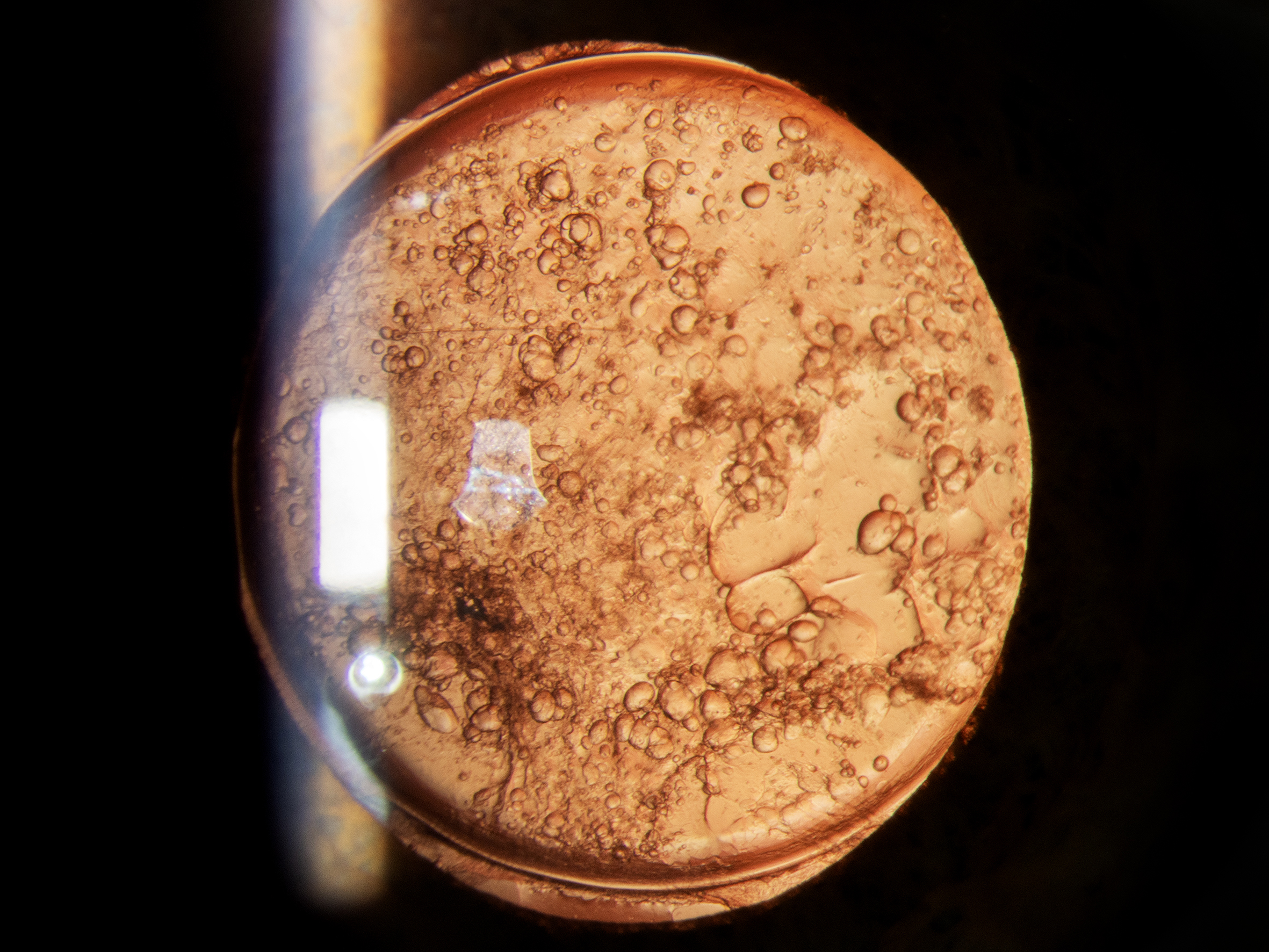

Navigating the complexities of corneal dystrophy: symptoms, diagnosis, and treatment options
Keeler
Corneal dystrophy is a complex condition that can significantly impact a person’s vision and eye health. While the symptoms and severity can vary widely between individuals, understanding the causes, diagnostic process, and available treatment options is crucial for managing this eye disorder.
Most forms of corneal dystrophy are caused by genetic mutations inherited in an autosomal dominant or autosomal recessive pattern. This means that the disorder can run in families, with varying degrees of severity and age of onset depending on the type of dystrophy.
Autosomal dominant inheritance:
A child needs to inherit only one copy of the mutated gene from either parent to develop the condition.
Autosomal recessive inheritance:
Both parents must carry the defective gene, and the child must inherit both copies to develop the disorder.
In some cases, spontaneous mutations (changes in DNA that occur randomly) may cause corneal dystrophy without a family history of the condition.
Symptoms of corneal dystrophy
The symptoms of corneal dystrophy vary depending on the type and severity of the condition. Some individuals may experience no symptoms in the early stages, while others may have noticeable signs of vision impairment or discomfort.
Common symptoms of corneal dystrophy include:
- Blurry or hazy vision: Cloudiness or deposits in the cornea can reduce visual clarity.
- Recurrent eye pain: Some types of corneal dystrophy cause corneal erosions, leading to sharp pain and sensitivity to light.
- Light sensitivity (photophobia): Increased sensitivity to bright light can occur due to irregularities in the corneal surface.
- Gritty or foreign body sensation: The feeling that something is in the eye, caused by irregularities in the corneal epithelium.
- Difficulty seeing at night: Vision can become worse in low-light conditions, especially in certain types of dystrophy.
In some cases, patients may not experience symptoms for years, while others may notice a gradual decline in vision.
Diagnosis
Diagnosing corneal dystrophy requires a thorough eye examination by an ophthalmologist. The following tests and procedures may be used to confirm the diagnosis and identify the specific type of dystrophy:
- Slit-lamp examination: A microscope with a bright light is used to examine the structure of the cornea in detail.
- Corneal topography: This imaging test maps the surface of the cornea to detect any irregularities or abnormal deposits.
- Specular microscopy: Used to examine the corneal endothelium in detail, particularly in cases of Fuchs’ dystrophy (a condition in which fluid builds up in the clear tissue at the front of the eye).
- Genetic testing: In some cases, genetic testing may be recommended to confirm the type of dystrophy, especially if a family history is present.
Treatment options
There is no cure for corneal dystrophy, but various treatment options can help manage symptoms and improve vision. The course of treatment depends on the severity and type of dystrophy:
1. Observation and monitoring
In the early stages, when vision is not significantly affected, regular monitoring may be all that’s required. Ophthalmologists will track the progression of the disease and recommend treatments when necessary.
2. Artificial tears and lubricating ointments
For those experiencing dry eye, discomfort, or corneal erosions, over-the-counter artificial tears or prescription ointments can help alleviate symptoms by keeping the cornea lubricated.
3. Phototherapeutic keratectomy (PTK)
PTK is a laser procedure that removes damaged tissue from the corneal surface, helping to smooth irregularities and reduce recurrent erosions. This treatment is particularly useful for people with epithelial basement membrane dystrophy or other forms that cause surface abnormalities.
4. Corneal transplantation
In advanced cases of corneal dystrophy, where vision is significantly impaired, corneal transplantation (keratoplasty) may be necessary. There are two main types of transplants:
- Penetrating keratoplasty (PK): The entire cornea is replaced with donor tissue.
- Endothelial keratoplasty (EK): Only the innermost layer of the cornea is replaced, commonly used in Fuchs’ dystrophy.
5. Endothelial cell therapy
For conditions like Fuchs’ dystrophy, where the endothelial layer is affected, newer treatments such as endothelial cell therapy are being explored to replace damaged cells and restore corneal clarity without the need for a full transplant.
Living with corneal dystrophy
Living with corneal dystrophy can be challenging, but many people maintain a good quality of life with the right management and treatment. Regular checkups with an ophthalmologist are essential for tracking disease progression and addressing new symptoms. Also, individuals with corneal dystrophy should protect their eyes from UV light by wearing sunglasses and avoid eye trauma, as these factors can make the condition worse.
For those experiencing significant vision loss, low vision aids and rehabilitation programs can help improve daily functioning and maintain independence.
Conclusion
Corneal dystrophy is a complex and varied condition, but advancements in medical research and treatment have made it possible to manage symptoms effectively. Early diagnosis, regular monitoring, and tailored treatments are key to preserving vision and minimising discomfort.