








The enduring value of direct ophthalmoscopes for eyecare professionals throughout their career
Keeler
In an era of rapidly advancing medical technology, one might wonder why direct ophthalmoscopes continue to hold such a vital place in eye care. The answer lies in their unique combination of practicality, portability and ease-of-use that supports the practitioner in their role.
Unmatched magnification and detail
When it comes to examining the eye’s internal structures, the performance of a direct ophthalmoscope stands out by offering the highest magnification available among diagnostic devices. With magnification capabilities of up to 15x, practitioners can conduct incredibly detailed examinations of various eye conditions.
Key features include:
- Superior magnification for detailed retinal examination
- Multiple beam sizes for varied diagnostic needs
- Specialised graticules for precise measurements
- Colour filters for enhanced condition assessment
Portability meets practicality
Perhaps one of the most compelling advantages of direct ophthalmoscopes is their portability. In today’s healthcare environment, flexibility is crucial, and modern wireless designs make these instruments incredibly versatile. Their practical applications include:
- Field missions in remote locations
- Bedside examinations in hospitals
- Home visits for mobility-restricted patients
- Emergency response situations
- On-farm veterinary visits
With rechargeable batteries providing up to three hours of continuous use, practitioners can rely on these instruments throughout their busy workday.
A foundation in medical education
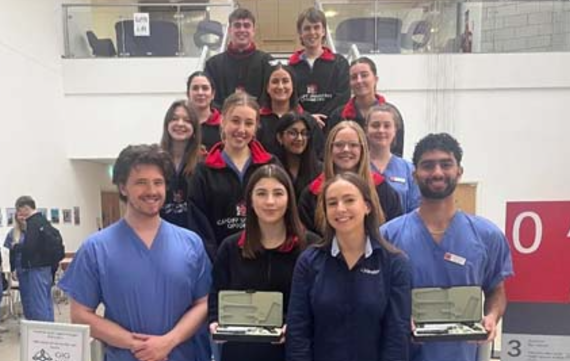
There’s something special about the moment an ophthalmic student invests in their first direct ophthalmoscope. It’s more than just acquiring a new tool – it’s a rite of passage that marks the beginning of their career journey in ophthalmic care.
This integration into medical education isn’t just tradition; it’s a practical choice based on the instrument’s ease of use, versatility, and cost-effectiveness. As students’ progress in their careers, this foundational tool continues to serve them well, with hand-sets often lasting right through to retirement.
The lasting impact of quality eye care equipment continues to inspire us. At a recent London event, we witnessed a touching moment as a mother helped her daughter – now a student herself – choose her first Keeler handheld set. The mother proudly shared that she still uses the very same Keeler equipment she purchased at the start of her own career.
These moments, witnessed at the many student events we attend worldwide, remind us why durability and quality matter. They’re not just tools of the trade – they’re the beginning of countless professional journeys in eye care.
This generational trust in our equipment speaks volumes about its reliability and lasting value. It’s stories like these that drive our commitment to supporting the next generation of eye care professionals.
While direct ophthalmoscopes offer significant advantages, it’s important to understand their complete technical profile:
Strengths:
- High-power magnification up to 15x for refractive error adjustment
- Single-handed operation
- Wireless, rechargeable functionality
Considerations:
- Narrower field of view compared to indirect ophthalmoscopes
- Closer working distance to patient
- Limited peripheral retinal examination capabilities
Looking to the future
As we continue to see remarkable advances in eye care technology, the direct ophthalmoscope’s role remains fundamental. Its combination of powerful magnification, portability, and accessibility ensures its place in both routine examinations and specialised care scenarios. While newer technologies may complement these traditional tools, they haven’t replaced the fundamental utility and reliability that direct ophthalmoscopes bring to everyday practice.
The enduring relevance of direct ophthalmoscopes in modern eye care isn’t just about tradition – it’s about practical value. As healthcare continues to evolve, these instruments demonstrate that sometimes the most effective tools are those that have stood the test of time while adapting to modern needs.